
Advancing knowledge · Strengthening compliance
The records desk, kept current.
The exemptions, deadlines, case law, and letters for every request type a California law enforcement records unit sees — maintained as the law changes.
Access is by agency invitation.
Training fades. Legislation doesn't wait.
The 2023 recodification renumbered the entire Public Records Act. Bills amend Penal Code § 832.7 nearly every session. Your binder was accurate the day it was printed — and the requests keep coming.
From the team behind Beyond the Basics Compliance Collective.
What you actually get
One page per request type.
Plain-language answer first. The exemptions and code sections underneath it. The cases that shaped them. The letter that cites them correctly — with the review date on every page, so you always know how current it is.
Request type
Records involving minors
Quick answer
Can I release a police report about a juvenile arrest?
No. Law enforcement records relating to juvenile arrests are part of the confidential juvenile case file — access runs through a petition to the juvenile court.
Welf. & Inst. Code § 827 · Cal. Rules of Court, rule 5.552
The records you seek relate to a minor and are confidential under Welfare and Institutions Code section 827… Access is controlled by the juvenile court; you may petition using Judicial Council form JV-570.
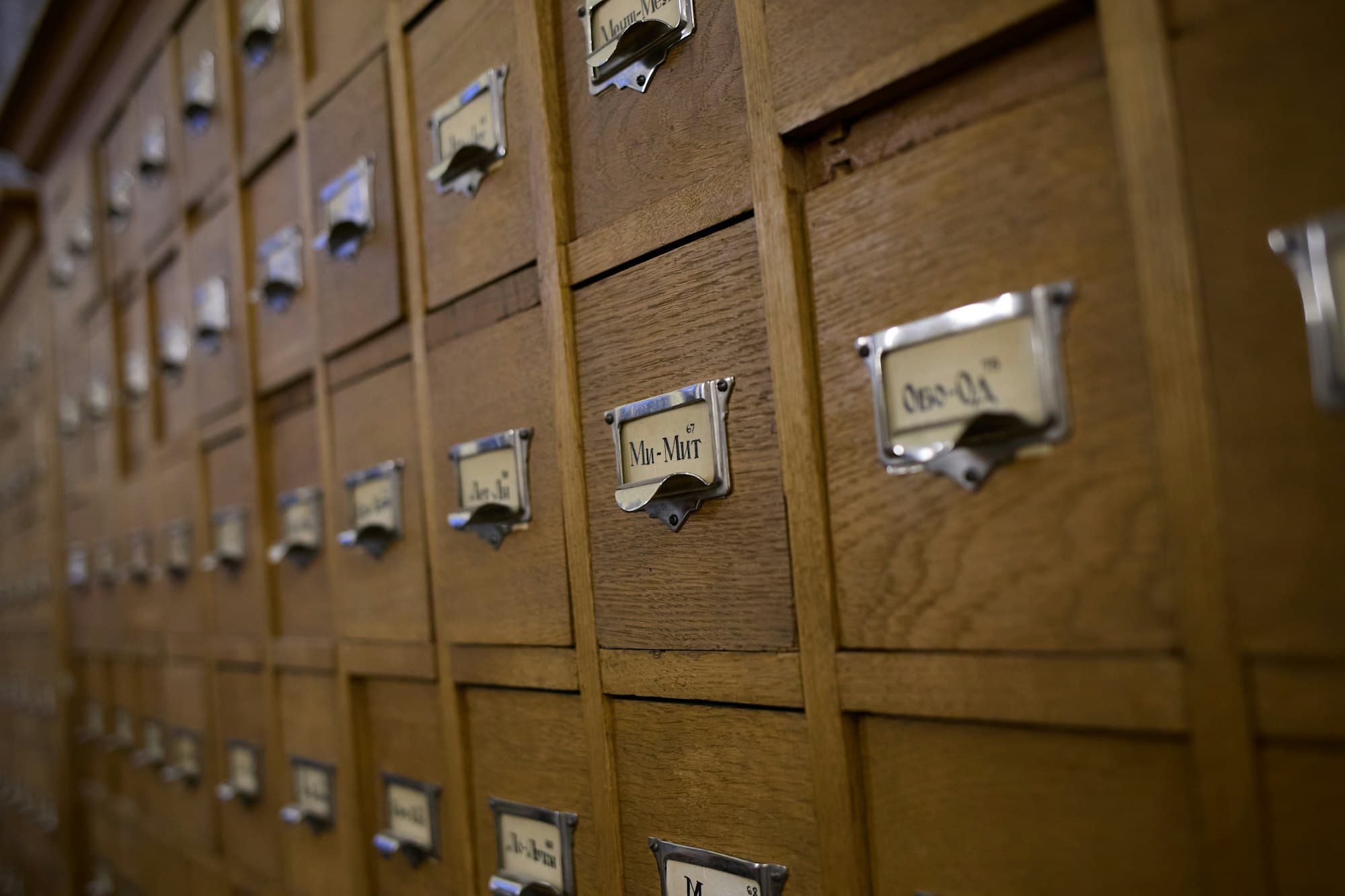
Where the work begins
“Access to information concerning the conduct of the people's business is a fundamental and necessary right of every person in this state.”
California Public Records Act · Gov. Code § 7921.000
Search a repealed section →
Investigatory records — renumbered Jan. 1, 2023
The crosswalk
Your old notes still work here.
Twenty years of margin notes cite sections that no longer exist. Search any pre-2023 number and COR lands you on today's law — with the renumbering explained, so nothing you learned goes to waste.
Built for the desk, not the library
Six things COR does every day, in the order a request actually moves.
Playbooks by request type
Pick what landed on your desk — officer personnel records, juvenile records, body-cam footage, CLETS — and see the exemptions, code sections, and case law that apply. Plain language first, statute one click below.
Letters that cite correctly
Answer a few questions and export a compliant response letter to Word. Citations come only from an attorney-reviewed set — a letter cannot cite a repealed section.
Every statutory clock
The 10-day determination, the 14-day extension and its six lawful grounds, the AB 748 45-day release — computed, spelled out, and tracked on your dashboard.
Current when the law isn't
Monitoring watches the Legislature, the courts, and DOJ bulletins. When the law moves, the pages move — and every page shows when it was last reviewed, and by whom.
Ask COR
An assistant that answers only from reviewed pages, links every source, and refuses to guess. Ask it something outside California records law and it says so.
No CJI, by design
COR holds request types, dates, and letters — never your records, never criminal justice information. The records stay in your agency's systems.
23
request-type playbooks
65
code sections in the registry
27
case summaries with holdings
9
letter templates
Every page carries its review status. Draft content is labeled draft, verification flags route to attorney review before anything is marked verified, and nothing in COR is legal advice — your agency and your counsel make the calls.
Software + workshops
The courses build the judgment. COR keeps it current.
COR comes from the instructors behind Beyond the Basics — hands-on workshops for California records and HR professionals, taught by practitioners who have processed these requests for decades.
Built in San Luis Obispo County, California